

















Duja Consulting Work-Integrated Learning Programmes: Connecting Education to Employment in South Africa


Sep 7, 2026 - 09:07
 0  143
Duja Consulting Work-Integrated Learning Programmes: Connecting Education to Employment in South Africa

Duja Consulting Work-Integrated Learning Programmes: Connecting Education to Employment in South Africa
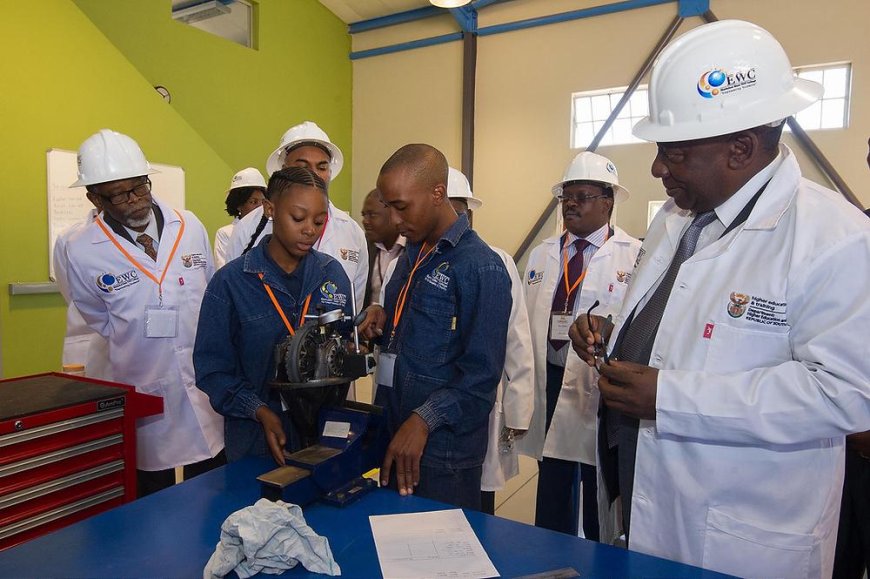
Work-Integrated Learning (WIL) is becoming increasingly important in South Africa as employers, educational institutions and government seek stronger pathways from education into meaningful employment.

Duja Consulting is positioning itself as a skills-development and implementation partner that helps connect learners, graduates, employers and institutions through workplace-based learning, internships, learnerships and youth employability initiatives.

According to Duja Consulting, its work focuses on strengthening the connection between education, workplace experience and sustainable economic participation.

Follow WhatsApp Channel

What Is Work-Integrated Learning?

Work-Integrated Learning is an approach that gives students, graduates and other learners the opportunity to apply knowledge and skills in a real or simulated workplace environment.

Rather than relying only on classroom or theoretical learning, WIL helps participants develop practical workplace competence and understand what is expected in professional environments.

Duja Consulting describes workplace-based learning as an important transition mechanism between education and employment, helping learners convert theoretical knowledge into workplace competence and employment readiness.

Duja Consulting's Role in Work-Integrated Learning

Duja Consulting describes itself as a South African management consulting and implementation partner specialising in:

  • Skills development
  • Youth employability
  • Workplace-based learning
  • Project management
  • Monitoring and evaluation
  • Graduate placement
  • Learnerships
  • Internships
  • Apprenticeships

The organisation says that, since 2005, it has supported thousands of unemployed young people, including university graduates, TVET graduates and first-time work seekers, with employability, workplace experience, employment and enterprise-development opportunities.

Workplace Learning, Internships and Learnerships

Duja's approach recognises that obtaining a qualification is only one part of the journey towards employment.

Many entry-level job seekers face the challenge of needing workplace experience before they can secure their first job. Duja argues that stronger pathways are needed to connect qualifications with internships, learnerships, apprenticeships and work-integrated learning opportunities.

These programmes can help participants develop:

  • Practical workplace experience
  • Professional communication
  • Teamwork
  • Problem-solving
  • Workplace discipline
  • Industry knowledge
  • Employability skills
  • Confidence in professional environments

Supporting TVET Graduates and Young Work Seekers

A particular focus of the education-to-employment challenge is the transition from education into the labour market.

Duja highlights the importance of creating workplace opportunities for TVET graduates, unemployed youth and people pursuing occupations identified as important to economic growth.

For TVET graduates, workplace learning can be particularly valuable because it provides an opportunity to apply technical and occupational knowledge in an actual work environment.

Working With Employers and Institutions

Successful WIL programmes require more than simply placing a learner at a workplace.

According to Duja Consulting, effective workplace-learning programmes involve several components, including:

Recruitment and selection – identifying suitable candidates for available opportunities.

Employer engagement – working with organisations that can provide meaningful workplace exposure.

Learner support – assisting participants throughout the programme.

Mentoring – helping learners adapt to workplace expectations and develop professionally.

Monitoring and evaluation – tracking programme implementation and outcomes.

Quality assurance – ensuring that workplace learning delivers meaningful value.

Duja argues that collaboration between government, educational institutions, employers and experienced implementation partners is essential for improving graduate absorption at scale.

Why Work-Integrated Learning Matters

South Africa continues to face significant unemployment challenges. Duja's June 2026 article cites Statistics South Africa's Q1 2026 unemployment rate of 32.7%, with youth unemployment among people aged 15–34 remaining above 45%.

This makes the transition from education to employment particularly important.

A qualification can provide knowledge, but workplace experience allows a learner to demonstrate how that knowledge can be applied.

This is why WIL programmes can play an important role in helping young people become more work-ready and employable.

A Broader Education-to-Employment Ecosystem

Duja Consulting argues that South Africa needs a more integrated talent-development ecosystem in which different stakeholders work towards shared employment and skills-development outcomes.

These stakeholders include:

  • Government
  • Universities
  • TVET colleges
  • Private education providers
  • SETAs
  • Occupational training providers
  • Employers
  • Workplace-learning partners
  • Development organisations

The objective is not simply to increase the number of people obtaining qualifications, but to help more people gain relevant skills, workplace experience and pathways into sustainable economic participation.

Opportunities for Employers and Organisations

Duja Consulting also works with organisations that want to participate in workplace-based learning and youth employability initiatives.

Its website invites organisations to explore partnerships involving:

  • Workplace-based learning
  • Graduate placement programmes
  • Internships
  • Learnerships
  • Apprenticeships
  • Youth employability initiatives

Duja states that it works with government, SETAs, educational institutions, employers and development partners to design and implement skills-development programmes.

What Learners Should Know

Anyone interested in a Duja Consulting WIL, internship, learnership or workplace-learning opportunity should check the specific programme requirements and application status before applying.

Not every programme is necessarily open at the same time, and eligibility requirements can vary depending on the project, employer, qualification and funding arrangements.

Applicants should look for information such as:

  • Minimum qualification requirements
  • Age requirements, where applicable
  • Location
  • Programme duration
  • Required documents
  • Workplace location
  • Stipend information, if applicable
  • Application closing date
  • Employer or project requirements

How to Find Duja Consulting Opportunities

Prospective applicants can visit the official Duja Consulting website and check the organisation's Current Opportunities and Talent Solutions sections for available programmes.

Duja Consulting – Official Website

Duja Consulting – Work-Integrated Learning Article

Duja Consulting can also be contacted at info@duja.co.za for enquiries about workplace-based learning, graduate placements, internships, learnerships, apprenticeships and youth employability partnerships.

Final Thoughts

Work-Integrated Learning can help bridge the gap between what people learn and what employers need.

For young South Africans, gaining meaningful workplace exposure can provide an important opportunity to build practical skills, understand workplace expectations and demonstrate their capabilities to potential employers.

Duja Consulting's approach focuses on creating stronger links between education, skills development, workplace experience and employment, while encouraging collaboration between employers, educational institutions, government and other skills-development stakeholders.

Looking for WIL, learnerships, internships and skills-development opportunities?

APPLY / FIND OPPORTUNITIES VIA: www.skillsdaily.co.za

Applicants should verify programme availability, eligibility requirements, closing dates and application procedures directly with the relevant programme provider before applying.

What's Your Reaction?

Like Like 0
Dislike Dislike 0
Love Love 0
Funny Funny 0
Angry Angry 0
Sad Sad 0
Wow Wow 0
Skills Daily SA We are SkillDaily, a platform dedicated to helping South African students access the best study tips, scholarships, learnerships, and international opportunities. Our goal is to provide practical, up-to-date guidance so students can make informed decisions and succeed in their academic and career journeys.