





Best Study Abroad Programs for South African Students 2026
Discover real Study Abroad Programs for South African Students in 2026, including government scholarships, exchange programs, and study options abroad.

Study Abroad Programs for SA Students
Let’s be honest — wanting to study abroad is one thing, but actually finding legit programs you can apply for is another.
Most students get overwhelmed because they hear “international opportunities” everywhere, but few actually know where to start or what’s currently open and relevant.
So I did the research, and here are some real programs South African students can explore — from exchange experiences to fully funded scholarships and longer study pathways.
These are active, real, and currently available or regularly recurring opportunities you can actually get your hands on.
1. AFS Intercultural Programs (Short & Long-Term)
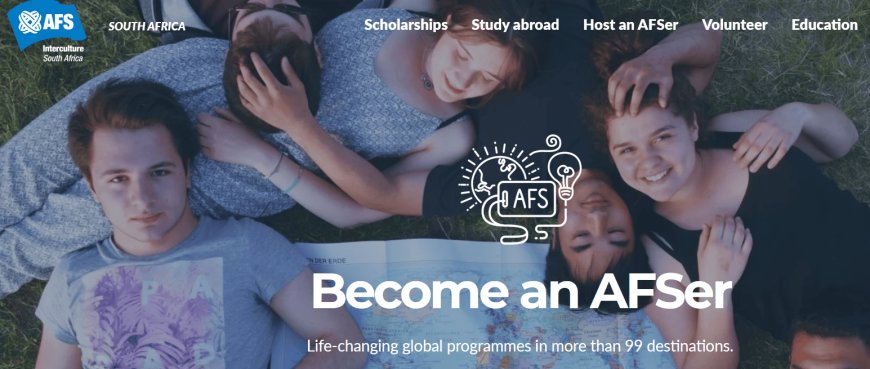
You might have heard of AFS before — and yes, they’re not just some travel club. They run real intercultural study abroad programs for a wide range of ages, from teens to adults, including South Africans.
-
Short programmes (like 4–8 weeks)
-
3–12 month experiences
-
Full year exchange
These might not always come with full scholarships, but they do offer partial support and discounts, and they’re structured so you don’t land abroad totally on your own.
You live with a host family, get orientation before and during your trip, and they actually prepare you for cultural and academic expectations.
This is a great option for high school students or even gap-year learners who aren’t ready for a full degree yet but want real life international experience.
Apply for AFS Study Abroad Program
2. Youth for Understanding (YFU) High School Exchange
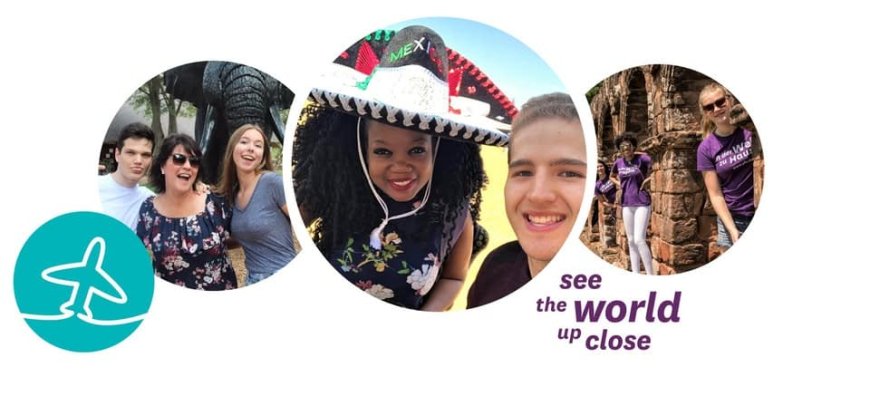
Another really tangible one, especially if you’re in high school or just finished, is the YFU study abroad programme.
They work with partner networks in over 25 countries — Europe, Latin America, Asia, and beyond.
In my opinion, this is one of the most structured study abroad paths for younger students because it’s not just travel — you actually attend school with local students, live with host families, and experience day-to-day life in another culture.
The programs generally run from 2 to 10 months, depending on what you choose. It’s a little less common for university students, but for high schoolers looking to boost independence and global understanding, this is real opportunity — not just marketing fluff.
Apply for YFU Study Abroad Programme
Also look: Studying Abroad: 5 Important Details for South African Students
3. ASSIST Scholarships in the USA (High School Year Abroad)
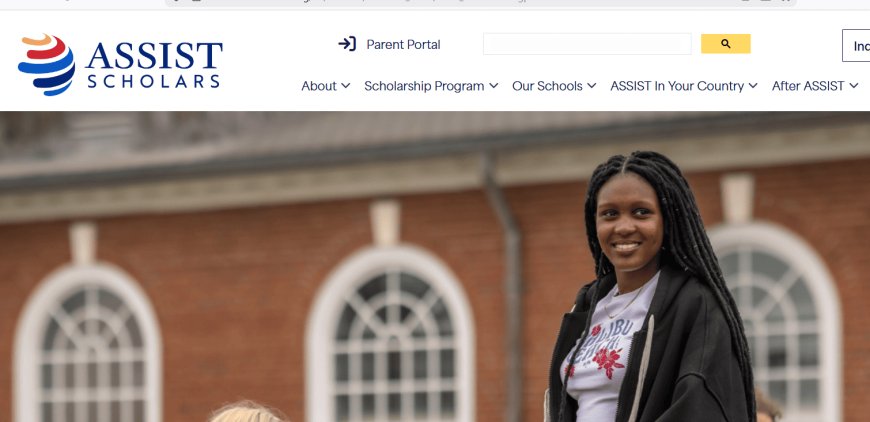
Okay, this one is a bit more specific but it’s worth knowing about. If you’re in roughly 9th or 10th grade and dreaming about spending a full year in the US, ASSIST offers competitive, scholarship-based placements at top private high schools.
It’s not super well known in South Africa yet, but it’s a legit program that connects southern African students with partner schools in the United States, where scholarship support could cover tuition and cultural prep.
You have to meet academic and interview criteria, but if you do qualify, this is the kind of opportunity that sets you up for university abroad or big internships later on.
Apply here: ASSIST SCHOLAR Study Abroad Programs
5. Undergraduate Exchange Programs (Global Exchange/Study Tracks)
There are also formal exchange programs that aren’t tied to one country or scholarship source but exist for students across regions.
For example, the Near East and South Asia Undergraduate Exchange Program — also known as NESA UGRAD — lets students from South Africa and other regions study in the United States for a year as part of a broader cultural and academic exchange.
These are competitive, usually fully funded, and they include tuition, living costs, insurance, and sometimes travel. If you qualify academically and culturally, this is a serious pathway to international learning without having to self-fund the whole thing.
ALSO LOOK:
One of the most under-talked about resources is the Department of Higher Education and Training’s (DHET) International Scholarships programmes. Their website is a government resource designed to help you study abroad.
DHET International Scholarships for South African Students
In my honest view, the barrier most South African students face isn’t lack of opportunity — it’s knowing where to look and how to interpret requirements. Unlike just applying to a local university, these programs have things like:
-
Proof of funds requirements
-
Visa criteria
-
English tests or language prerequisites
-
Host family or cultural integration components
These can feel overwhelming, but they’re part of every reputable international program. And here’s the truth: the more organised you are, the easier this becomes — not easier in the sense of instant, but easier in the sense of no surprises when you actually apply.
What's Your Reaction?
 Like
3
Like
3
 Dislike
0
Dislike
0
 Love
1
Love
1
 Funny
0
Funny
0
 Angry
0
Angry
0
 Sad
0
Sad
0
 Wow
1
Wow
1