









Security Officer (x26 Posts) - Department of Water and Sanitation
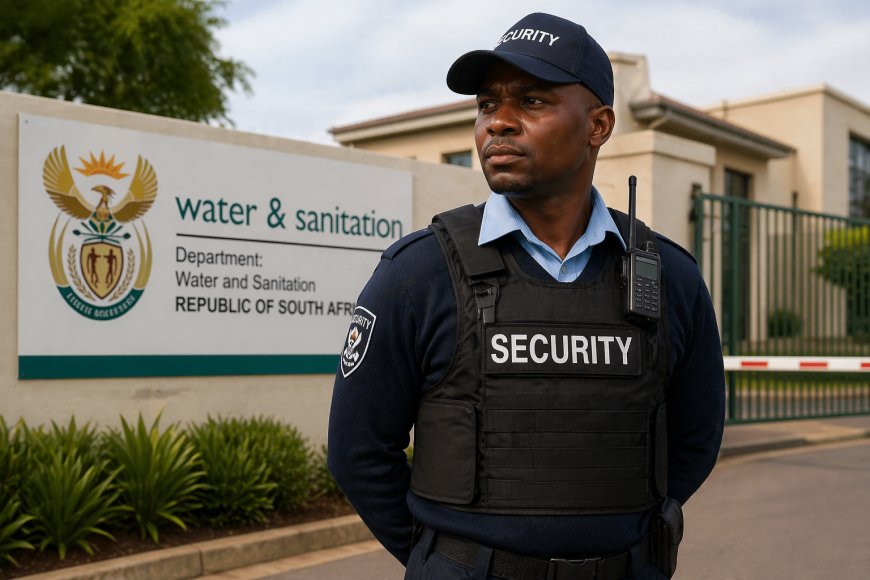
An Overview of the Department of Water and Sanitation
The Department of Water and Sanitation (DWS) is a key national government department in South Africa responsible for managing the country’s water resources and ensuring access to safe, reliable water and sanitation services. Water is a scarce and vital resource in South Africa, making the department’s role essential to public health, economic development, and environmental sustainability.
Mandate and Core Responsibilities
The Department of Water and Sanitation is tasked with developing, managing, and regulating South Africa’s water resources. Its mandate includes:
- Ensuring equitable access to clean drinking water
- Managing and protecting water resources such as rivers, dams, and groundwater
- Regulating water use across agriculture, industry, and municipalities
- Providing sanitation services and improving hygiene standards
- Planning and implementing water infrastructure projects
The department operates under national legislation such as the National Water Act (1998) and the Water Services Act (1997), which guide how water is allocated, conserved, and protected.
Importance in South Africa
South Africa is classified as a water-scarce country, with uneven rainfall patterns and increasing demand due to population growth and urbanisation. The DWS plays a crucial role in balancing supply and demand while ensuring sustainability.
Water security is directly linked to:
- Public health – access to clean water reduces disease
- Economic growth – industries and agriculture rely heavily on water
- Environmental protection – maintaining ecosystems and biodiversity
Without effective water management, these sectors would face significant challenges.
Key Infrastructure and Projects
The Department oversees major water infrastructure across the country, including dams, pipelines, and treatment plants. Some notable projects include:
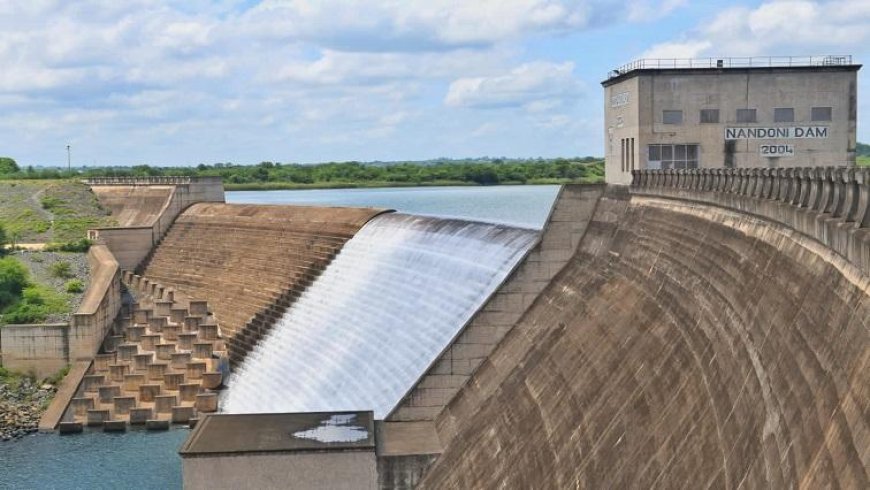
- Large dams such as Nandoni Dam, which supply water to surrounding communities
- Bulk water supply schemes connecting rural and urban areas
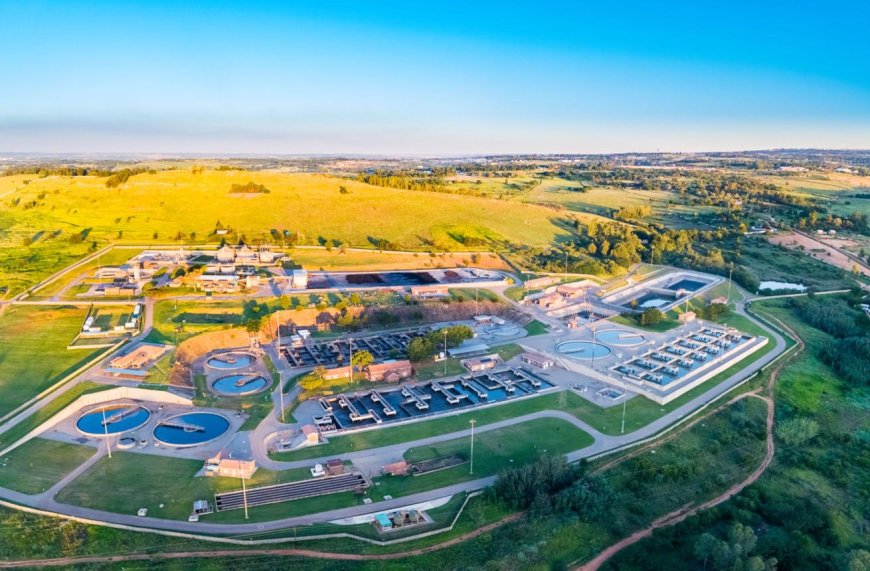
- Wastewater treatment facilities aimed at improving sanitation
These projects are essential for ensuring long-term water availability and supporting regional development.
Challenges Facing the Department
Despite its critical role, the Department of Water and Sanitation faces several challenges:
Water Scarcity and Climate Change
Changing weather patterns and recurring droughts place pressure on already limited water resources.
Infrastructure Maintenance
Aging infrastructure and insufficient maintenance can lead to water losses and service disruptions.
Service Delivery Inequality
Some rural and underdeveloped areas still lack consistent access to clean water and sanitation.
Pollution and Environmental Degradation
Industrial waste, sewage spills, and illegal dumping threaten water quality.
Innovation and Future Focus
To address these challenges, the DWS is investing in innovative solutions, including:
- Water conservation and demand management programmes
- Upgrading and modernising infrastructure
- Promoting water reuse and recycling
- Strengthening partnerships with municipalities and the private sector
Digital monitoring systems and improved data management are also being implemented to enhance efficiency and decision-making.
Employment and Skills Development
The Department of Water and Sanitation provides employment opportunities across various fields, including engineering, environmental science, administration, and operations. It also supports skills development programmes aimed at building capacity in the water sector.
Conclusion
The Department of Water and Sanitation is central to South Africa’s development and sustainability. By managing scarce water resources, investing in infrastructure, and promoting equitable access, the department helps ensure a healthier population and a more resilient economy. As water challenges intensify, its role will become even more critical in securing the country’s future.
Security Officer (x26 Posts)
Branch: Infrastructure Management – Northern Operations
Directorate: Operations Northern
Salary: R193 359 per annum (Level 04)
Locations
- Nandoni Dam (Ref No: 060526/08) – 16 Posts
- Mokolo Pump Station (Ref No: 060526/09) – 10 Posts
Minimum Requirements
- NQF Level 4 Certificate
- PSIRA Grade A registration (mandatory)
- National Key Point Training Certificate
- Firearm Competency Certificate
Knowledge and Skills
- Understanding of the National Key Point Act (102 of 1980) and related regulations
- Knowledge of the Labour Relations Act (66 of 1995) and Criminal Procedure Act (51 of 1997)
- Familiarity with the South African Constitution and Strategic Intelligence legislation
- Knowledge of Minimum Information Security Standards (MISS)
- Understanding of physical security operations and shift management
- Skills in threat and risk assessment, investigations, and interviewing
- Knowledge of asset and information protection principles
- Understanding of public sector legislation, policies, and safety frameworks
- Basic knowledge of financial, programme, and project management
- Strong communication, report writing, presentation, and networking skills
- Conflict management skills and ethical conduct
Key Responsibilities
- Control and monitor the movement of people, vehicles, and goods at National Key Points (NKP)
- Grant or deny access in line with security procedures
- Respond to security incidents and take appropriate action, including handling unauthorised access
- Conduct surveillance and monitor premises and security perimeters
- Ensure that equipment, documents, and assets are not removed or brought in without authorisation
- Record and maintain all incidents in occurrence books and registers
- Ensure compliance with security protocols and procedures
Enquiries
- Mr K.S. Thantsha: (015) 307 8600
- Mr P. Monkwe: (066) 111 0012 (Mokolo)
How to Apply
Applications must be submitted online via:
https://erecruitment.dws.gov.za/
What's Your Reaction?
 Like
0
Like
0
 Dislike
0
Dislike
0
 Love
0
Love
0
 Funny
0
Funny
0
 Angry
0
Angry
0
 Sad
0
Sad
0
 Wow
0
Wow
0